Nature

Seasonal Foraging for Beginners: What to Look For in Spring, Summer, Fall, and Winter
A hedgerow in April and the same hedgerow in October have almost nothing in common. That is the first lesson foraging teaches: the land runs on a calendar, and your job is to read it. Beginners often turn up with a mental list of plants and go hunting for them out of season, then go home with an empty bag and a nagging feeling that everyone else knows something they don't.
You don't need acres of woodland or a botany degree. You need two or three reliable plants per season, a good field guide, and the patience to walk past anything you can't identify with total certainty.
Learn the Calendar, Not the Checklist
Each season hands you a different kind of reward. Spring offers tender greens that turn tough and bitter within weeks. Summer is flowers, soft fruit and leafy plants that keep producing if you pick carefully. Fall is the harvest season, the one that rewards planning. Winter is lean but not empty, and it is the best time to scout ground you'll return to in March.
It helps to track a single plant through the year rather than chasing ten. Nettles in April make a mild soup. By August the same patch is fibrous, covered in seed, and best left alone. Watching that change teaches you more than any guidebook photo.
Spring: Tender, Brief, and Everywhere
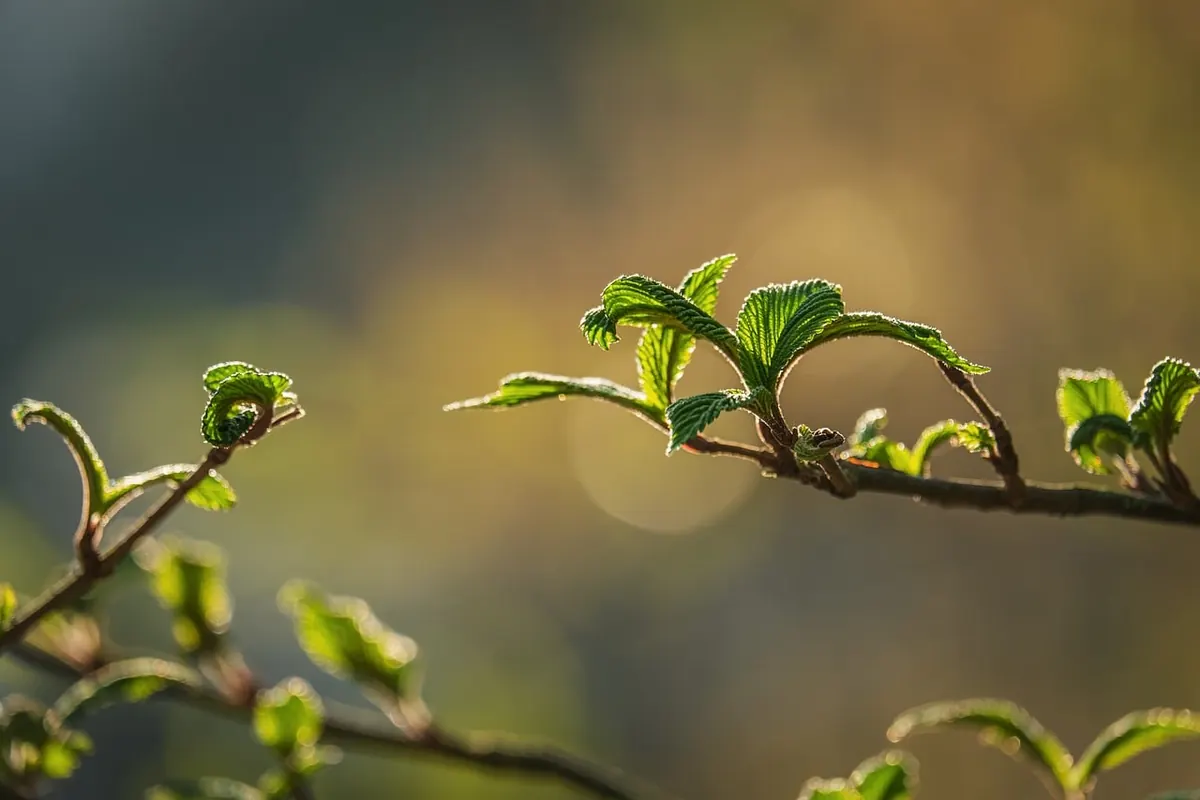
From March through May, the edible plants you'll meet most often are growing in the places you already walk: verges, hedges, damp ground behind the shed.
- Stinging nettle — take the top four leaves with gloves, then blanch them. Cooking destroys the sting completely.
- Dandelion — young leaves before the flower opens are least bitter. The root can be cleaned and roasted.
- Chickweed — a mild salad green that thrives in cool, damp soil in early spring.
- Wild garlic (ramsons) — crush a leaf; it should smell unmistakably of garlic. The lookalikes, lily of the valley and lords-and-ladies, do not, and both are toxic. In many regions picking wild garlic is restricted because the plants grow slowly, so check local rules first.
- Wood sorrel — a sharp, lemony leaf for small quantities. It contains oxalic acid, so anyone with kidney concerns should ask a doctor before making a habit of it.
If you want fiddleheads, take only ostrich fern, and cook them thoroughly. Bracken fern is not a substitute.
Summer: Flowers, Berries, and Long Days
June brings elderflower, which makes a fine cordial but must be cooked and should be stripped from the stems and leaves. Elderberries follow later and also need cooking. Pick flowers mid-morning once the dew has dried, when the scent is strongest.
By August the blackberries arrive along every hedgerow and railway embankment, along with wild raspberry, strawberry leaves for tea, yarrow, and garden escapees like purslane and lamb's quarters in bare, disturbed ground. Mints and their relatives are easy to spot by their square stems and bruised-leaf scent, though they hybridise freely and the flavours vary from one patch to the next.
Berries from low bushes are also the favourite food of foxes and birds. Take from the middle of a heavy patch, not the edges, and leave the highest and lowest fruit alone.
Fall: Roots, Nuts, and Fruit
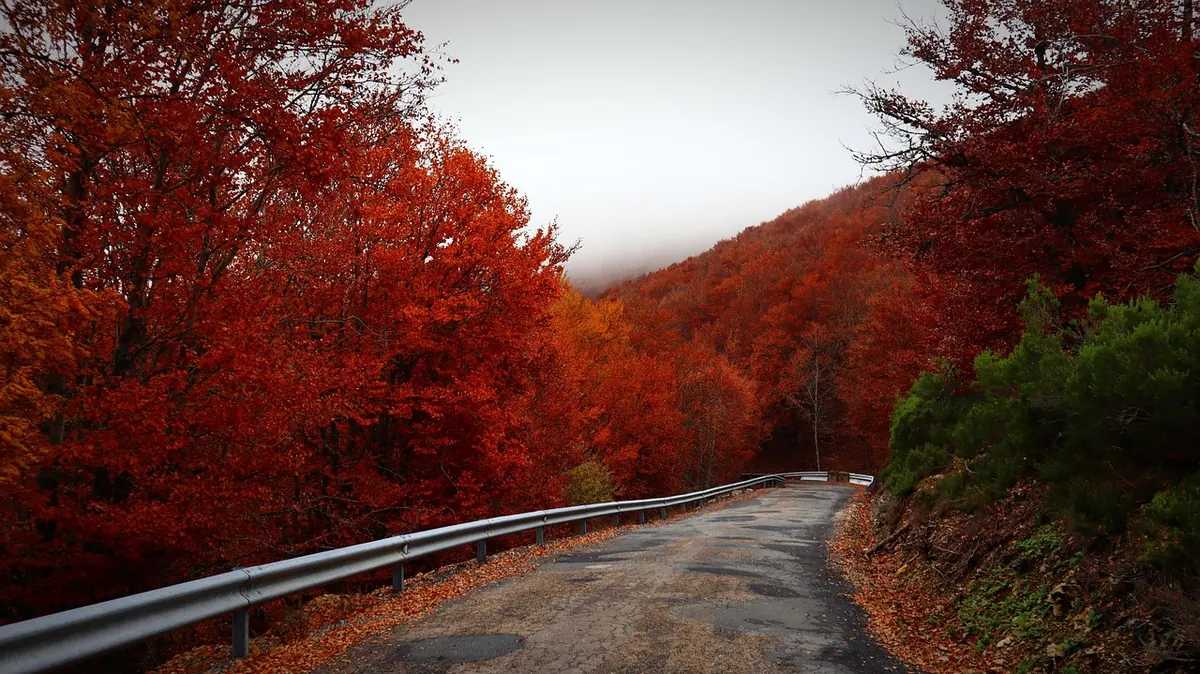
Fall is when the ground finally pays out. Hazelnuts and walnuts are worth hunting for, and sweet chestnuts appear in their spiny cases after the first storms. Do not confuse sweet chestnuts with horse chestnuts, which are bitter and mildly toxic — sweet chestnuts have a pointed tip and a dense spike case, horse chestnuts are round and smooth in a leathery shell.
Acorns are edible but loaded with tannins. Leach them by crushing the kernels and soaking them in repeated changes of cold water, or by boiling, until the water no longer tastes bitter. It takes longer than most people expect.
Rosehips sweeten after a frost, though you'll want to avoid the irritating hairs inside. Hawthorn and crabapple round out the season. Mushrooms are a separate discipline: never eat one identified from a photograph or an app, and if you want to learn, go with someone experienced who can show you a chanterelle's false cousins in the same wood.
Underground, burdock and dandelion roots are at their best. Dig in ground that is soft and easy, and only where digging is allowed.
Winter: What's Left When Everything's Gone
Winter foraging is slower and more deliberate. Rosehips and hawthorn berries often still hang on the bushes, and pine, spruce or fir needles make a pleasant tea — but be careful here, because yew is deadly toxic and grows in the same places. Yew has flat, dark needles and a fleshy red cup around its seed, not a cone.
Watercress in fast-flowing streams looks appealing in January, but wild watercress can carry liver fluke, so cook it rather than eating it raw. Winter is also the season for roots from the previous year's growth, and for scouting. Walk your spring patches, note them on a map or in a notebook, and you'll hit the ground running when the nettles come up.
The Rules That Never Change
- If you are not completely certain of the identification, leave it. No plant is worth a gamble.
- Try one new plant at a time, in a small amount, and wait a day before eating more.
- Avoid roadsides, sprayed farmland, industrial ground, dog-walking spots and polluted water.
- Learn the dangerous lookalikes for every plant you target, not just the plant itself.
- Check the rules where you are. Picking is restricted or banned in many parks, nature reserves and protected areas, and some species are legally protected.
- Harvest so the patch recovers: a little from many places rather than everything from one.
- Wash everything, and cook what needs cooking — nettles, elderberries, fiddleheads, acorns and watercress among them.
- Tell someone where you are going and when you expect to be back.
If you are pregnant, breastfeeding, taking medication, or managing a health condition, speak to a doctor or pharmacist before adding wild plants to your diet. Foraging is a wonderful supplement to a meal, not a substitute for a varied one.
Start Small and Keep Notes
Pick one plant this season. Learn it at every stage, in every weather, until you could identify it half-asleep. Photograph it, write down where you found it and what you did with it, and cook something plain so you actually taste it. By this time next year you'll have four plants you trust completely — and that is a pantry worth having.
Photo: stevepb / Pixabay
Related Articles